

The hidden summer risk in the workplace: access that never expires
Virtual Cable highlights the role of virtualization in centrally managing employee coverage and preventing exceptional permissions from becoming permanent security risks.
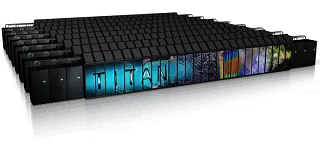
The Top500 list, which sets the ranking of supercomputers worldwide, has been published this week. Tianhe-2, developed by the University of Defense Technology of China, still holds the first place. And what is its operating system? Linux, the one chosen by experts for years to handle the fastest and most powerful computers in the planet.
In the list released in November 2014, the 97% of supercomputers, in particular 485 of 500, run on Linux. The next most used operating system is Unix and only one computer from the entire list runs Windows.
If you want to know more details about this ranking, have a look at this article.
SHARE
Recent posts
Virtual Cable highlights the role of virtualization in centrally managing employee coverage and preventing exceptional permissions from becoming permanent security risks.
Workplace virtualization helps reduce the attack surface and improve recovery capabilities following cyberattacks.
Many organizations focus their technology investments on infrastructure, cloud, or cybersecurity, but often overlook a key factor: the hidden costs associated with the digital workplace.
The integration of artificial intelligence agents is transforming business operations, driving automation, service personalization, and productivity improvements. However, their incorporation into critical processes also expands the attack surface and requires organizations to rethink traditional security models.
The digitalization of the workplace has become a key factor in ensuring continuous care in the healthcare sector, especially during periods of high demand.
Professionals around the world are combining work and leisure time thanks to workplace virtualization. Companies like Virtual Cable, with its UDS Enterprise solution, facilitate remote access to entire work environments. From anywhere with an Internet connection: a beach, a country house, or any country in the world.
Stay up to date with all the news from UDS ENTERPRISE through our social networks.







0 Comments